

How we diagnose a faultwithout guessing.
Anyone can plug in a code reader and tell you which circuit complained. Finding out what actually caused it is a different job. This is the eight-step process every fault goes through here — and why the same fault does not come back.
Why there is a process at all
A diagnostic that ends in a guess is just a parts bill with extra steps. Three rules keep ours honest.
A code is a clue, not an answer
Fault codes name a circuit that reported something out of range. Reading one out and replacing the part it mentions is guessing with extra steps.
Measured against the manufacturer's values
Every test in the plan has an OE reference figure to compare against, so a result is either in tolerance or it is not. No opinion involved.
You approve the work, not the estimate
The diagnosis comes to you with the evidence and the price before a spanner is picked up.
From your description to a proven fix
Every one of these happens on every diagnostic. Skipping any of them is how a car leaves with the light off and comes back six weeks later with the light on.
We ask the right questions first
- 01 — Before the car moves
We ask the right questions first
Most diagnostic time is wasted chasing the wrong fault because nobody asked properly what the car is actually doing.
When does it happen — cold start, motorway, in traffic? Every time or now and then? Did anything change just before it started? A five-minute conversation regularly saves an hour on the ramp, and it costs you nothing.
- 02 — Known history
We check what the car has already told us
Service history, previous repairs, and the manufacturer's own technical bulletins for that engine and model year.
Some faults are documented, common and already solved. Checking first means you are not paying us to rediscover something the manufacturer published three years ago.
- 03 — Full system scan
We read every module, not just the one with the light on
A Bosch KTS tester on the diagnostic port, reading across the vehicle's control units on the ESI[tronic] platform.
Stored codes, pending codes, and the freeze-frame data that records exactly what the engine was doing at the moment the fault set. A warning light in one system is often caused by another system entirely — scanning only the obvious one is how faults get missed.
- 04 — Verification
We reproduce the fault before we diagnose it
A fault code is a symptom, not a diagnosis. Until we have seen the fault happen, we have not found it.
Live data logging while the car is driven under the conditions you described, so we watch the sensors in real time as the fault occurs rather than guessing backwards from a code stored last Tuesday.
- 05 — Guided troubleshooting
We measure — we do not guess
Bosch SIS builds a test plan for that exact fault on that exact vehicle, and we work through it.
Step-by-step component tests with the manufacturer's own reference values to compare against, alongside the wiring diagram and expected waveform for each test. Either a reading is within tolerance or it is not. That is the difference between diagnosis and part-swapping.
- 06 — Root cause
We find the cause, not just the component
A code names a circuit. It does not tell you whether the sensor failed, the wiring chafed, the connector corroded, or something upstream caused all three.
Replacing the part a code points at, without asking what killed it, is why the same fault comes back six weeks later. We establish why it failed before we quote to fix it.
- 07 — Before any work starts
You get the findings and the price first
What is wrong, what caused it, what it costs, and what happens if it waits.
In plain English, with the evidence behind it. What is genuinely urgent, what can safely wait until the next service, and what we would leave alone. Nothing is done until you have said yes to it.
- 08 — After the repair
We prove the fix under the conditions that broke it
Codes cleared, then the car re-tested the same way the fault was found.
A cleared warning light is not a repaired car. We re-run the drive and the live data that exposed the fault in the first place, and confirm the readings now sit where the manufacturer says they should.
What you actually receive
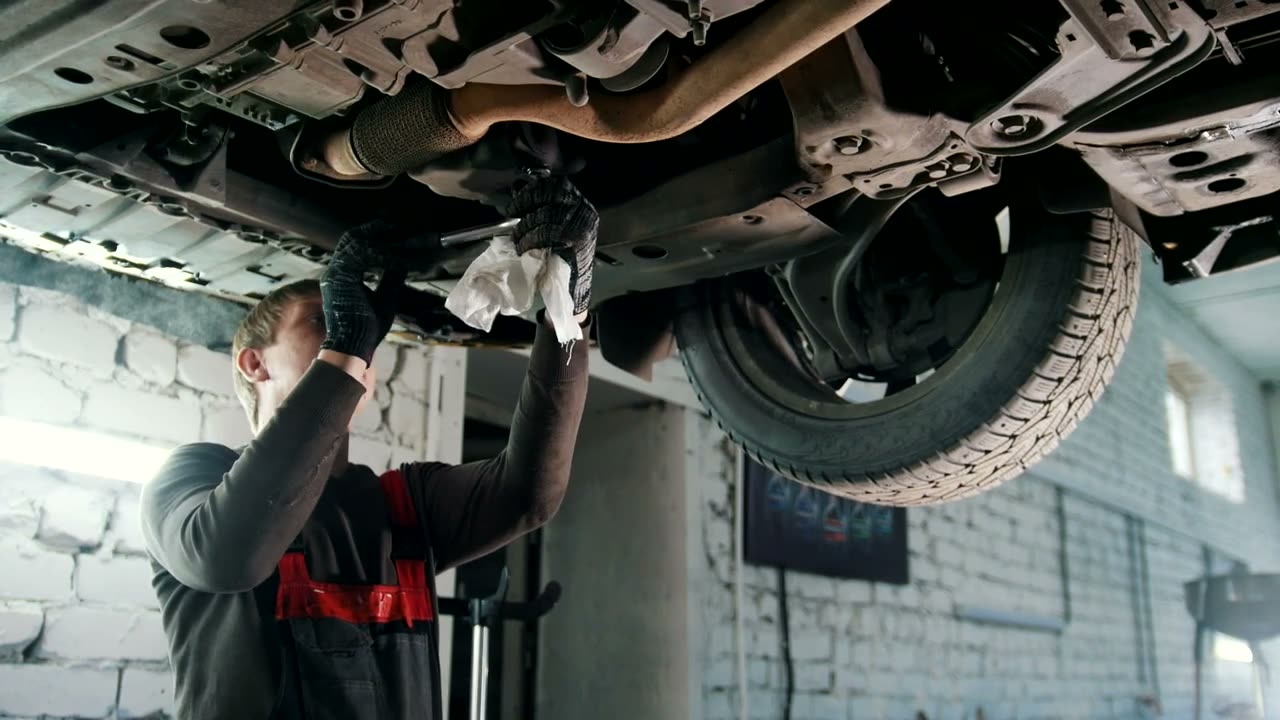
Not a printout of codes. A plain-English explanation of what is wrong, what caused it, what it costs to put right, and what would happen if you left it — with the measurements behind every claim. Then you decide.
Common questions
Why does proper diagnosis take longer than a code read?+
A code read takes two minutes and tells you which circuit reported a problem. Diagnosis establishes what actually caused it. The first is free at a parts shop; the second is why the fault does not come back.
What equipment do you diagnose on?+
Bosch KTS diagnostic testers running the ESI[tronic] 2.0 platform — the same manufacturer-level system used across the Bosch Car Service network, with SIS guided troubleshooting and OE reference data behind it.
Can you diagnose my make of car?+
The ESI[tronic] platform covers around 150 vehicle brands, which is the substantial majority of what is on UK roads. If your vehicle falls outside that coverage we will tell you before you book, not after.
Will you fix it without asking me?+
No. You get the findings, the cause and the cost before any repair work begins, and nothing proceeds until you approve it.
What if you cannot find the fault?+
Intermittent faults are the hardest thing in the trade and we will not pretend otherwise. If we cannot reproduce it, we will tell you exactly what we ruled out and what we would do next, rather than fitting parts and hoping.